
(Photo by Nita Settina, Center for Ecosystem Recovery)
The Chesapeake Bay Internship Program (CBIP) develops the next generation of impactful environmental leaders by forming a connected cohort of interns working for organizations across the Chesapeake Bay watershed.
The CBIP builds community and supports professional growth through mentorship, professional development, and networking. Interns will participate in a shared orientation, educational workshops, end-of-summer symposium, and cohort meet-ups. These experiences are designed to complement the internship work completed with the host organization and give interns a deeper look into how science, policy, education, and action come together to support Bay health.
How does CBIP work?
The Chesapeake Research Consortium (CRC) partners with organizations across the watershed that host their own internships, advertised below. Students apply for internship opportunities directly through the host organizations. Once hired, interns from partner organizations automatically become part of the CBIP cohort, joining peers from other Bay-focused groups. Through shared programming, mentorship, and networking, interns gain support, skills, and a sense of community that strengthen their impact and connection to the Chesapeake Bay.
Summer Internship Opportunities
We will post a complete list of internship opportunities from participating partner organizations for Summer 2026 here as they become available. Applicants should follow the links to consult individual host organizations directly for information, points of contact, applications, and deadlines.
~ Come back soon to see participating internships at our partner organizations for Summer 2026. ~
2026 Internship Opportunties
2026 Partners



Program Structure
CRC works with organizations to design shared experiences and learning opportunities for all members of the cohort. Programming typically runs from late May/early June through mid August to accommodate varying schedules.
- Shared Orientation at the Smithsonian Environmental Research Center (SERC, hybrid).
- Bi-Weekly “Lunch & Learn” Sessions featuring professionals from science, policy, communication, and leadership fields. Past session topics include Networking and Informational Interviews, Creating Your Brand, Science Communication, and Career Readiness Workshops.
- Lunch Bunch Gatherings for informal cohort connection.
- Summer Symposium where interns present their work to mentors, peers, and the broader Bay community.
CBIP cultivates impactful environmental leaders by building skills in five proven Core Competencies (Multicultural Awareness, Civic Responsibility, Ethical Behavior, Systems Thinking, and Professional Development) relevant to environmental restoration through mentoring, programming, and evaluation.
Testimonials
“I feel strongly that without [this program], I would not be where I am today. This internship opened so many doors for me in my professional career and showed me how I could conduct science that made a difference.”
“[This program] provided me with the opportunity to not only benefit from the pertinent information shared during Lunch and Learns and Lunch Bunch sessions, but also to network with people I otherwise would never have interacted with…I learned a lot about other perspectives regarding conservation and the Chesapeake Bay, and made connections that I still maintain.”
“[This program] gave me the opportunity to bond with others in my field and meet lots of new professionals!”
Building from C-StREAM
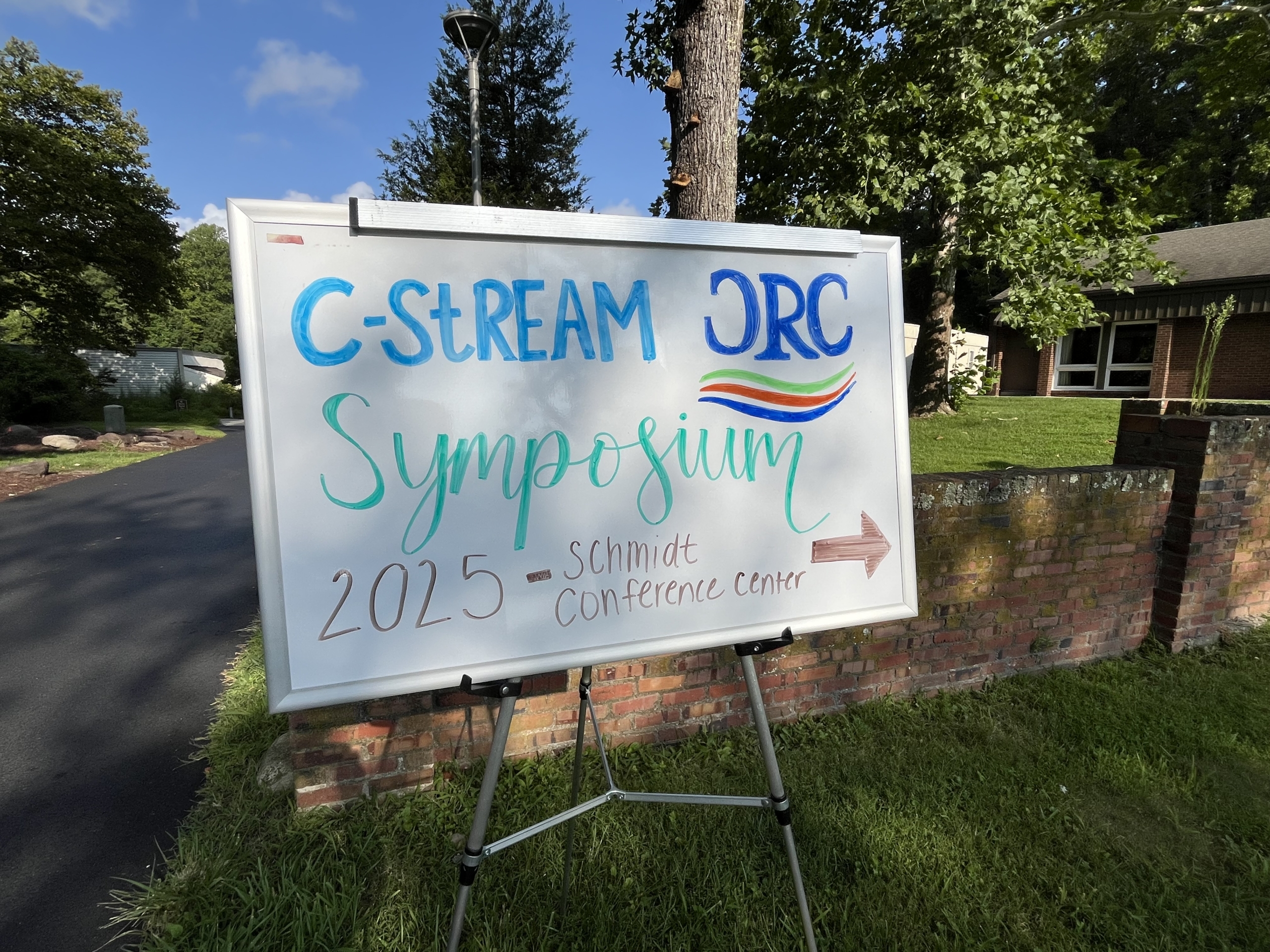 As a part of CRC’s mission to create pathways for students and early career professionals, the Chesapeake Student Recruitment, Early Advisement, and Mentoring (C-StREAM) program ran from 2018 to 2025 in order to support the career development of college students from underrepresented communities. During its successful seven years, C-StREAM matched over 75 students pursuing degrees in environmental science, policy, communication, and other related fields with mentors at Bay-focused organizations to complete meaningful internship projects. The C-StREAM program expanded CRC’s capacity and expertise to design and manage impactful internship experiences, which informed the structure of the Chesapeake Bay Internship Program. To read more about the C-StREAM program and review the projects presented by fellows at the annual Summer Symposium click the button below.