
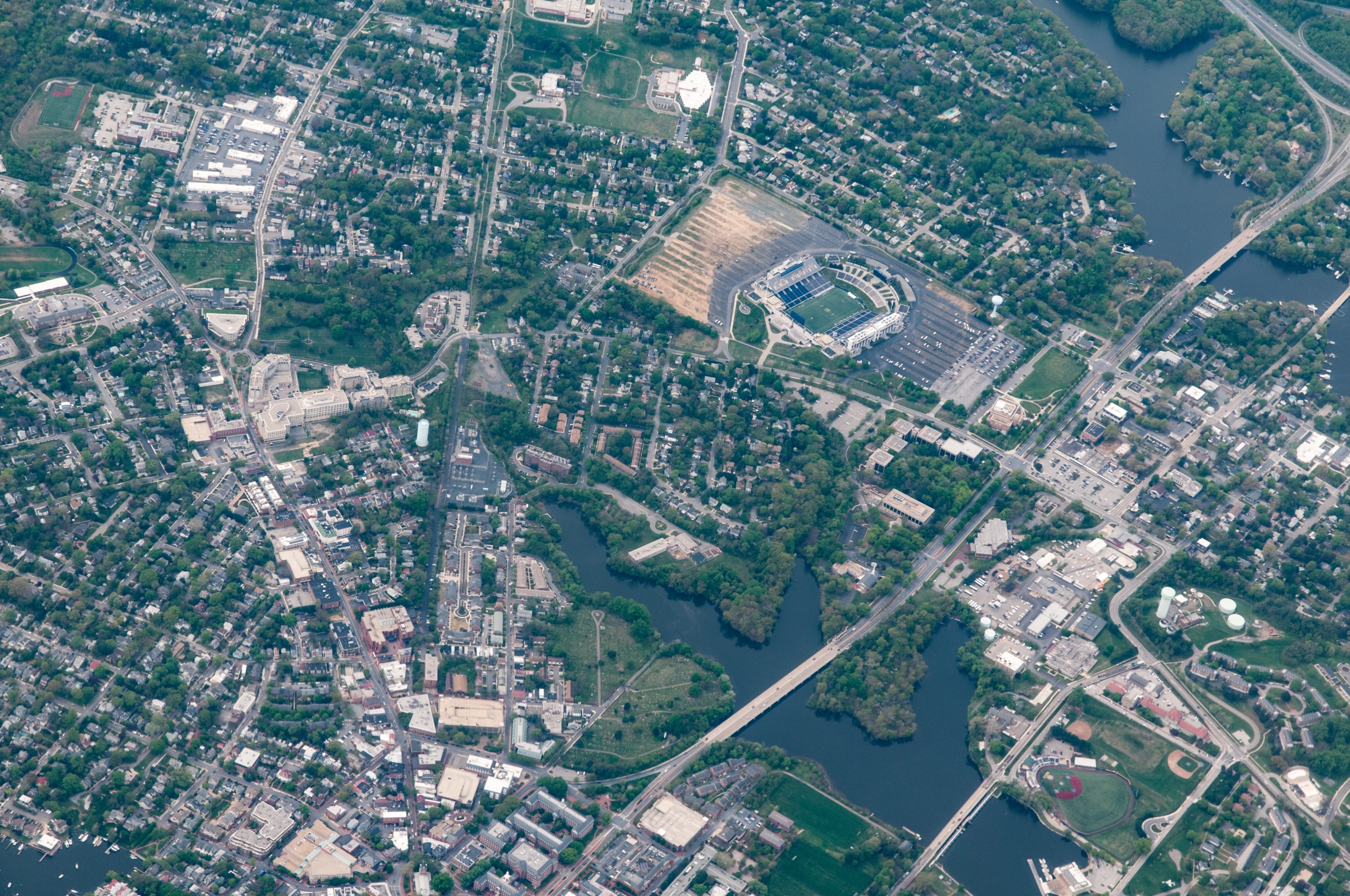
(Photo by Will Parson/Chesapeake Bay Program)
CRC Roundtable is a monthly virtual seminar series, to host targeted, inclusive, and informed conversations matching scientific advances and management needs in a way that moves us collectively forward toward decision-making for effective and sustainable management of the Chesapeake Bay, its watershed, and its living resources.
 The lunchtime seminars invites a diverse range of researchers, managers, and other professionals to have timely conversations around topics relevant to the Chesapeake partnership. The seminars are designed to promote contribution, not just consumption, of information with short presentations followed by facilitated discussion among attendees. They provide a place for participants to “ask the clumsy questions”. The seminars also build connectivity across participating organizations and identify ways to increase our collective competency for decision making.
Thank you for your interest. Check back in the coming week for more information about April’s CRC Roundtable.
April 15th, 12-1 pm
Previous Webinars

CRC Roundtable | June 2024
UninHABitable: Harmful Algal Blooms Across the Watershed Harmful [...]

CRC Roundtable | May 2024
CRC Member Take-Over Series: Smithsonian Environmental Research Center (SERC) [...]
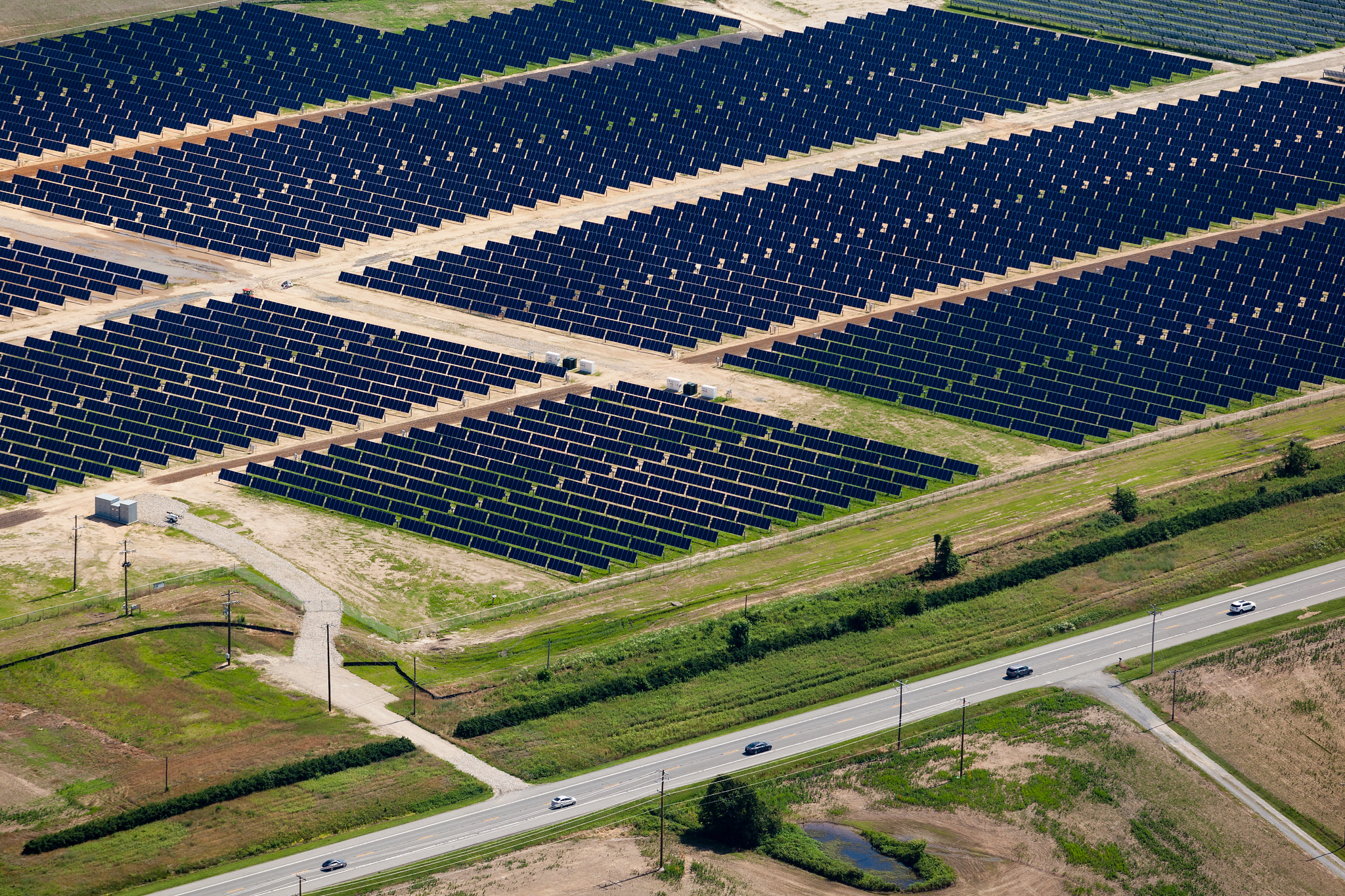
CRC Roundtable | April 2024
The Solar Situation: The state of the science and [...]
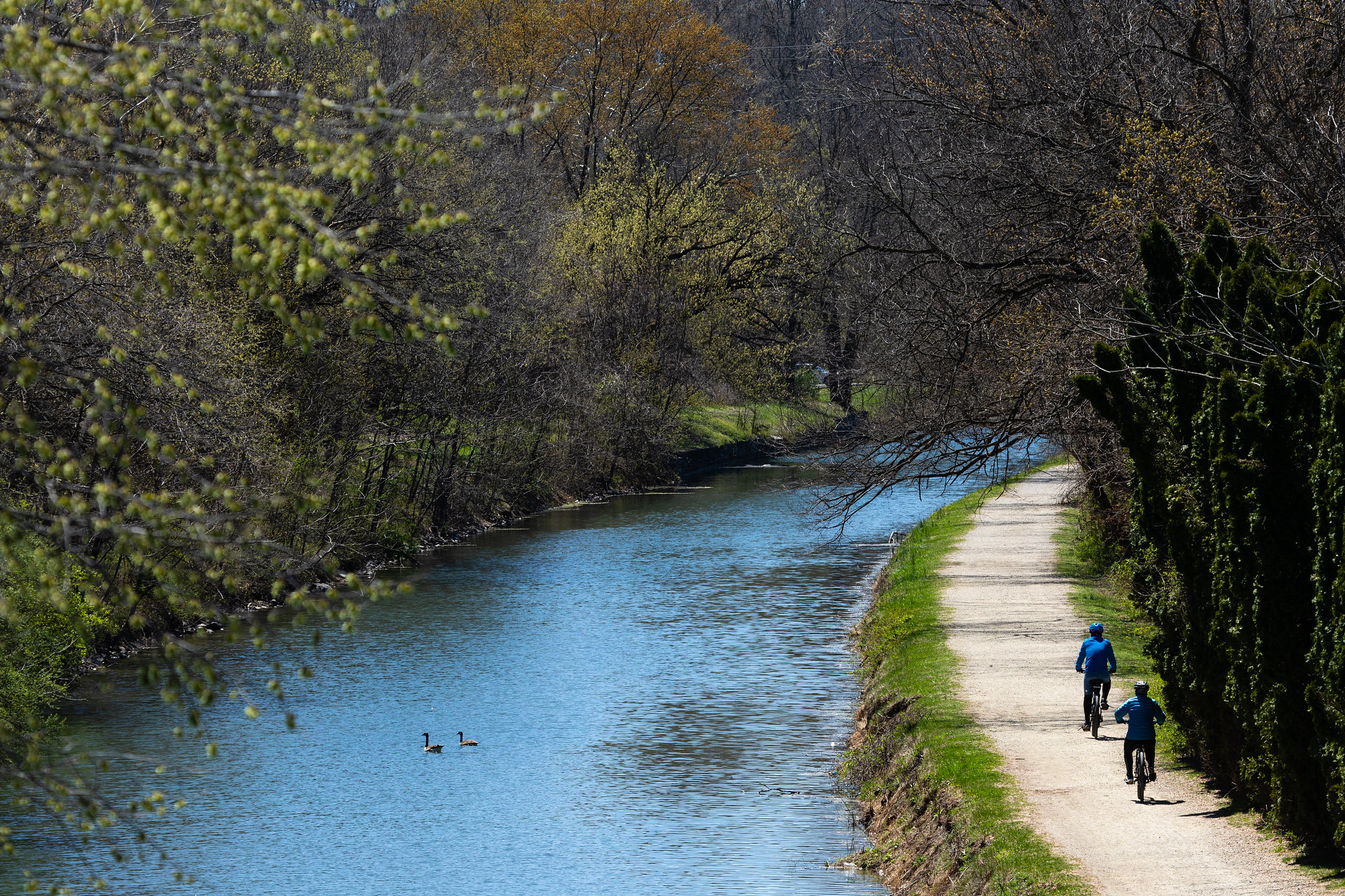
CRC Roundtable | March 2024
How to Protect Local Waterways In 2019, the [...]
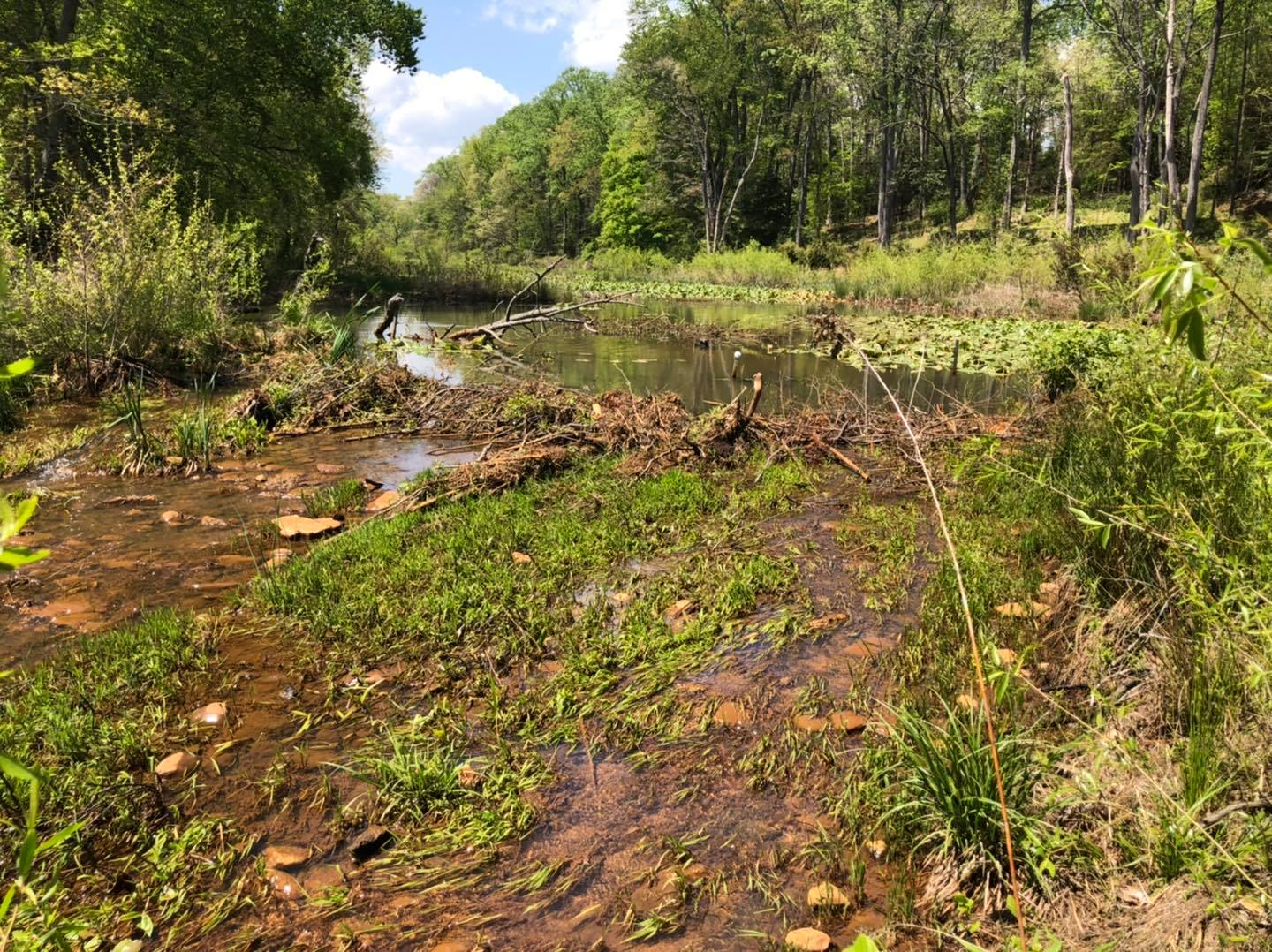
CRC Roundtable | February 2024
Stream Restoration: Are current practices giving us what we [...]
CRC Roundtable | January 2024
Planning for the Chesapeake Bay Watershed of the Future [...]