
Pamunkey Indian Tribe Environmental Monitoring and Resilience Intern
Project Description
The NOAA North Atlantic Regional Team and Chesapeake Research Consortium (CRC) seek a summer intern for late May through mid-August 2026 (12 weeks) to assist with monitoring and collating data by the Pamunkey Indian Tribe in support of tribal resilience and archaeological preservation. This position will support the Tribe’s comprehensive environmental monitoring efforts, including freshwater mussel aquaculture development, sturgeon research through environmental DNA (eDNA) sampling, climate adaptation planning, and water quality monitoring. The intern will work closely with the Pamunkey Indian Tribe’s Natural Resources Department and collaborate with the Virginia Institute of Marine Science (VIMS) on various research initiatives.
Opportunities
Candidates will gain hands-on experience in tribal environmental management and climate resilience planning while working directly with the Pamunkey Indian Tribe on culturally significant conservation efforts. This internship offers unique opportunities to:
- Participate in freshwater mussel aquaculture research and hatchery operations, learning about both cultural preservation and commercial restoration applications
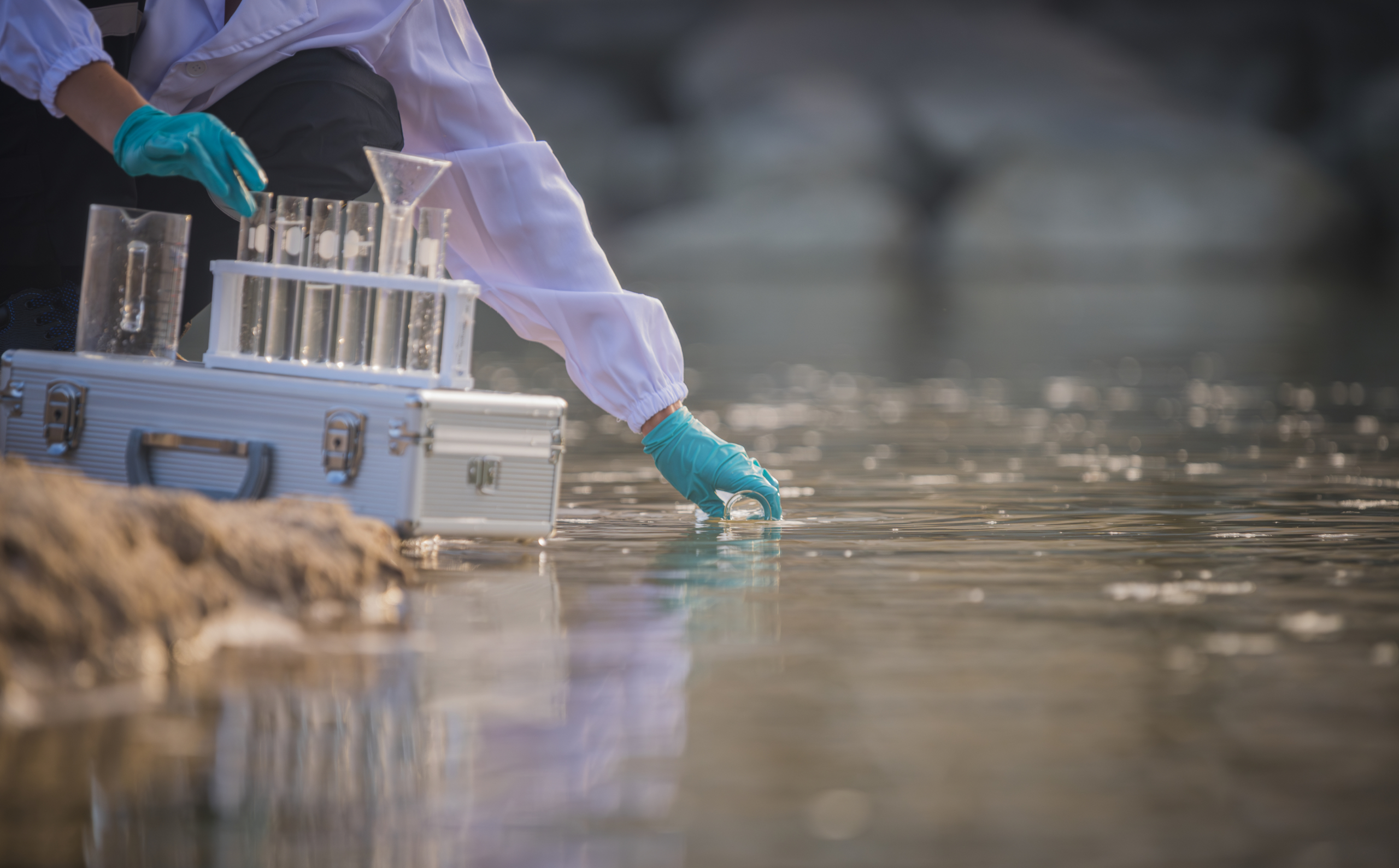
- Assist with eDNA sampling and analysis for Atlantic sturgeon monitoring in collaboration with VIMS researchers
- Support climate adaptation and shoreline management projects, including living shoreline monitoring and flood resilience planning
- Gain experience with environmental monitoring equipment including weather stations, tide gauges, and water quality sensors
- Learn about the intersection of traditional ecological knowledge and modern scientific methods in resource management
- Build professional networks with NOAA, VIMS, EPA, USDA, and other federal and state agency partners
Deliverables
- Comprehensive data compilation and analysis report on freshwater mussel growth rates and habitat conditions
- eDNA sampling protocol documentation and results summary for sturgeon monitoring efforts
- GIS maps and analysis of tribal lands showing climate vulnerability, flooding risks, and priority areas for conservation
- Water quality monitoring database with analysis of salinity, temperature, and other parameters affecting tribal resources
- Presentation to NCBO staff and tribal leadership at the conclusion of the internship summarizing the experiences gained and work conducted
Eligibility
- Must be a resident and/or attend a college/university within the Chesapeake Bay Watershed (NY, PA, MD, DE, DC, VA or WV)
- Must be a college-level student entering sophomore, junior, or senior year of undergraduate study
- Must be a U.S. citizen and willing to undergo a security background check
Required Qualifications
- Strong interest in environmental science, marine biology, ecology, or related field
- Willingness to engage in field work, including water sampling, data collection, and outdoor monitoring activities
- Basic computer skills including Microsoft Office and willingness to learn new software (GIS, data analysis tools)
- Motivated self-starter with ability to work both independently and as part of a team
- Respectful attitude toward Indigenous culture and traditional ecological knowledge
Desired Qualifications
- Experience with GIS software (ArcGIS, QGIS) and spatial data analysis
- Coursework or experience in aquaculture, fisheries biology, or water quality monitoring
- Laboratory experience
- Statistical analysis skills using R, Python, or similar software
- Valid driver’s license and ability to travel to field sites
- Previous experience working with tribal communities or knowledge of Chesapeake Bay ecology
Work Location and Duration
We envision that this position will be an in person position with work conducted at both VIMS offices in Gloucester, VA and at the Pamunkey Indian Reservation in King William, VA. Field work will be conducted at various sites along the Pamunkey River and surrounding tribal lands, with occasional visits to VIMS facilities in Gloucester Point, Virginia for collaborative research activities. The selected intern will also participate in orientation programming and an end of internship symposium, in-person, in the Annapolis area. Travel support is provided.
The position will begin in mid-May and conclude in mid-August and will be in place for 12 weeks. We plan on providing interns with access to a NOAA computer, email and phone services (in the office).
Compensation
The intern will be reimbursed at the end of each month, for a total of up to $6,500 for the equivalent of 12 weeks (422 hours). Funds are available to compensate interns for occasional work-related travel. Additionally a $1000 housing allowance is available upon request and with demonstrated need. Candidates should expect to follow a normal weekday work schedule (roughly 9-5, M-F) with occasional variations for possible field work or other activities. No benefits are provided.
Application Instructions
Applicants are instructed to register with the Chesapeake Jobs online application website: https://chesapeake.org/ncbo/ to apply. You will be instructed to submit a resume detailing your education and work experience and a cover letter that details your interest in this position and describes how your skill set will contribute to the work described above. Please include your first and last name in the file name for both your resume and cover letter. You will also be asked to provide the review team with three references. The deadline for applications is February 8, 2026.